Retro Gentle Font
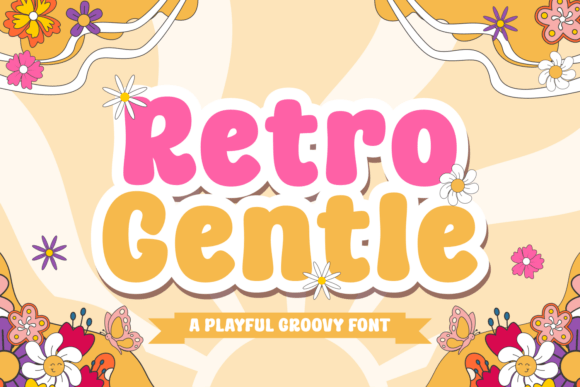
Retro Gentle is a Display font that brings a warm, nostalgic energy to digital design. With its soft curves and playful structure, it’s ideal for web designers looking to add character to headers, logos, and visual storytelling elements. Its elegant yet whimsical tone makes it a go-to choice for creative projects that need a touch of personality.
Retro Gentle for Website Headers and Hero Sections
Retro Gentle shines when used in website headers and hero sections where bold, eye-catching typography is needed. As a Display font, it adds a unique flair that can differentiate a brand from competitors. Web designers often use it for main headlines on landing pages, especially for sites targeting creative or vintage-inspired audiences.
When applied to a hero section, Retro Gentle can set the tone for an entire experience. For example, a boutique online store selling handmade goods might use it for a headline like “Handmade with Love” to evoke a sense of authenticity and charm. The font’s readability on larger screens ensures it remains legible without sacrificing style.
Retro Gentle for Call-to-Action Buttons and Interactive Elements
Retro Gentle works well for call-to-action buttons when paired with a clean, modern sans serif font for contrast. This combination helps maintain visual hierarchy while keeping the design cohesive. For instance, a button labeled “Shop Now” in Retro Gentle can stand out against a simple body text in a minimalist font like Open Sans.
On mobile devices, Retro Gentle retains its clarity, making it suitable for small buttons and touch targets. However, it’s best used sparingly—too much text in this font can reduce readability. Designers should test it on different screen sizes and background colors to ensure it remains effective across all platforms.
Retro Gentle for Online Store Banners and Product Pages
Retro Gentle is a strong choice for online store banners and product pages, particularly for brands with a retro or artisanal aesthetic. Its friendly appearance can make a product page feel more inviting, encouraging users to explore further. For example, a clothing brand might use it for a banner header like “Fall Collection 2024” to create a seasonal vibe.
When used in product titles or tags, Retro Gentle can enhance the visual appeal of an e-commerce site. It pairs well with neutral backgrounds and can be used as a decorative accent alongside more traditional fonts. Designers should ensure there’s enough spacing between letters to maintain legibility, especially on smaller screens.
Retro Gentle for Blog Headers and Content Sections
Blogs and content-heavy websites can benefit from using Retro Gentle in headers and subheaders to break up long blocks of text. Its playful nature can add a human touch to otherwise formal content. For instance, a blog post titled “5 Tips for Creating a Minimalist Home” could use Retro Gentle for the heading to give it a more approachable feel.
When integrating Retro Gentle into a blog layout, it’s important to balance it with a readable body font. A serif font like Georgia or a sans serif like Lato can complement the display font effectively. This pairing helps guide the reader’s eye through the content while maintaining a professional look.
Retro Gentle for Social Media Graphics and Digital Ads
Retro Gentle is a great option for social media graphics and digital ads, where visual impact is key. Its nostalgic appeal can resonate with audiences who appreciate vintage aesthetics. For example, a Facebook ad promoting a retro-themed event might use the font in the headline to grab attention and convey the theme immediately.
Designers should consider the font’s weight and spacing when using it in social media posts. Lighter weights may not be as effective on dark backgrounds, so testing different versions of the font is recommended. Additionally, ensuring the text stands out against images or overlays will improve overall visibility.
Retro Gentle for Brand Identity and Logo Design
Retro Gentle is an excellent choice for logo design, especially for brands that want to communicate a sense of warmth and tradition. Its soft, flowing lines can give a logo a timeless quality that feels both modern and classic. This makes it ideal for businesses in industries like fashion, food, and lifestyle.
When used in a logo, Retro Gentle can be paired with a simple, geometric font to create a balanced look. For instance, a coffee shop might use it for the main logo text alongside a clean sans serif for the tagline. This combination ensures the logo is both memorable and versatile across different mediums.
Retro Gentle for Creative Portfolios and Personal Websites
Creative portfolios and personal websites often benefit from using a distinctive font like Retro Gentle to showcase individuality. It can be used for project titles, section headings, or even a signature at the bottom of a page. This helps create a cohesive and personalized online presence.
For a portfolio site, Retro Gentle can be used in a header like “Work by [Name]” to establish a strong first impression. When combined with a subtle background or gradient, it can add depth and sophistication to the design. Designers should also consider how the font looks in different color schemes to ensure it remains adaptable.
Retro Gentle for Responsive Layouts and Mobile Optimization
Retro Gentle performs well in responsive layouts, but its effectiveness depends on how it’s implemented. On mobile devices, the font should be large enough to remain readable without being overwhelming. Designers should avoid using it for long paragraphs and instead reserve it for short, impactful text.
When designing for mobile, it’s important to test Retro Gentle on different screen sizes and resolutions. Adjusting line height and letter spacing can help maintain readability. Additionally, using the font on dark backgrounds requires careful consideration to prevent low contrast issues.
Retro Gentle for Commercial Use and Licensing
For web designers and digital creators, understanding the licensing terms of Retro Gentle is essential. Most commercial fonts require a license for use on websites, client projects, and online stores. This ensures that the font is used legally and avoids potential copyright issues.
Before incorporating Retro Gentle into a project, designers should check the font’s availability as a webfont and confirm that it supports the necessary file formats. Some fonts offer multiple weights and styles, which can be useful for creating a dynamic design system. Always review the licensing agreement to ensure compliance with usage rights.