Jelly Wobble: A Friendly Display Font for Handmade Crafts and Product Labels
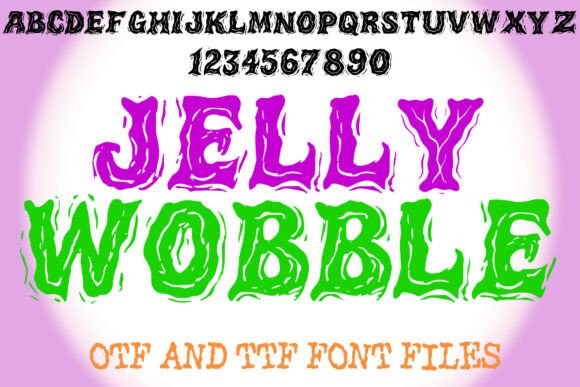
If you create handmade products, printables, or custom designs, you know that the right typeface can make or break your project. Jelly Wobble is a childish, easy-to-read display font that conveys impeccable friendliness. Whether you are crafting labels for small-batch goods, designing greeting cards, or putting together a wedding invitation suite, this font brings a warm, approachable energy that customers instantly connect with. Let me walk you through how I have been using Jelly Wobble in my own shop and why it might become your new go-to for product-based projects.
Jelly Wobble for Handmade Product Labels and Stickers
One of the first places I tested Jelly Wobble was on product labels. I run a small bath and body shop, and I needed a display font that felt playful without sacrificing readability at small sizes. Jelly Wobble works beautifully on candle labels, soap wraps, and lip balm stickers. Its rounded, bouncy letterforms catch the eye on a shelf, and because it remains clear even when scaled down, you can use it for ingredient lists or short product names. I also use it for boutique hang tags. The friendly vibe of Jelly Wobble makes my products feel approachable and fun, which is exactly what I want for my brand identity. If you sell on Etsy or at craft fairs, swapping a generic sans serif for Jelly Wobble can instantly lift the perceived quality of your packaging.
Jelly Wobble in Greeting Cards and Invitation Designs
Greeting cards and invitations are where Jelly Wobble truly shines. Because it conveys impeccable friendliness, it is perfect for birthday cards, thank you notes, and just-because mailers. I designed a set of printable birthday cards using Jelly Wobble for the main sentiment, and the response from buyers was overwhelmingly positive. They loved how the font felt personal and handmade without being difficult to read. For wedding invitations, I pair Jelly Wobble with a simple serif for the body text, using it only for the couple's names and key phrases. This keeps the invitation playful yet elegant. The same approach works for baby shower invitations, graduation announcements, and holiday card sets. Because Jelly Wobble is a display font, it works best on short phrases and titles, which is exactly what you need for the focal point of any card.
Using Jelly Wobble for Wall Art and Printable Decor
Printable wall art is a huge category for creators like us, and Jelly Wobble brings a cheerful touch to any print. I have used it for farmhouse-style signs with uplifting quotes, children's room decor with playful sayings, and even seasonal prints for fall and winter markets. The key to successful wall art is choosing a font that feels authentic, and Jelly Wobble delivers that handmade, imperfect charm that customers pay a premium for. I recommend using it for single-line quotes or two-line phrases where the word spacing and letterforms can really breathe. When I design a printable sign, I often pair Jelly Wobble with a clean sans serif for the secondary text, creating a balanced composition that is easy to frame and display. This display font also performs well when printed on canvas or matte paper, retaining its crisp edges and friendly character.
Jelly Wobble for T-Shirts, Tote Bags, and Merchandise
If you sell printed merchandise, Jelly Wobble is a strong contender for your next design. I used it on a line of tote bags and t-shirts for a local market, and the bold, playful lettering stood out beautifully on fabric. Because the font is easy to read, it works well even on smaller items like koozies or pencil cases. When designing for heat transfer or screen printing, I make sure to test Jelly Wobble at the actual production size. It holds up well at larger sizes for the main graphic and can even be used for short slogans on the back of a shirt. The friendly nature of Jelly Wobble makes it ideal for children's clothing, coffee mugs with funny sayings, and any product where you want to evoke a smile. For commercial sellers, this font gives you a consistent brand voice across multiple product lines.
Pairing Jelly Wobble with Script and Sans Serif Fonts
No display font works in isolation, and Jelly Wobble pairs beautifully with both script and sans serif typefaces. For a whimsical look, I combine it with a loose handwritten script for the subheading or accent words. This pairing works wonders on sticker sheets, planner pages, and journal covers. For a cleaner, more modern aesthetic, I pair Jelly Wobble with a neutral sans serif like a geometric or humanist style. This combination is perfect for product labels where you need the brand name to pop but the rest of the information to remain legible. When I design a logo for a client who wants a playful feel, I often use Jelly Wobble as the primary typeface and a simple serif for the tagline. The contrast between the bouncy display lettering and a grounded serif creates a professional yet approachable brand identity. Always test your pairings in a mockup before committing, but Jelly Wobble is flexible enough to adapt to many design styles.
Practical Readability Tips for Cutting Machines and Small Stickers
If you use a Cricut or Silhouette, you know that not every font cuts cleanly at small sizes. Jelly Wobble has thick, consistent strokes that make it forgiving for vinyl cutting and print-then-cut projects. I have used it for small sticker sheets with names, dates, and short phrases, and the letters cut cleanly without thin parts that tear. For best results, I recommend using Jelly Wobble for text that is at least 4mm tall when cutting adhesive vinyl. For print-then-cut stickers, you can go slightly smaller because the ink carries the detail. When designing layered vinyl projects, the friendly curves of Jelly Wobble weed easily and leave a polished final product. I also use it for stencils and glass etching templates, where clear, open letterforms make application straightforward. This display font is a practical choice for anyone producing physical goods with a cutting machine.
Commercial Licensing for Physical Products and Digital Downloads
Before you use any font for products you sell, always check the commercial license. Jelly Wobble is available with a commercial license that covers most handmade and small-batch production needs. This means you can use it on physical items like mugs, shirts, prints, and packaging without worrying about royalties or per-sale fees. If you sell digital templates, printables, or SVG designs that include the font, confirm that your license allows embedding or outlining the letterforms. Many fonts in the display font category require an extended license for digital distribution, so read the terms carefully. For my own shop, I purchased the commercial license for Jelly Wobble and use it on everything from soap labels to wedding invitation templates. Having that license in place gives me peace of mind and lets me focus on creating without legal concerns. If you are just starting out, investing in a properly licensed font like Jelly Wobble protects your business and shows customers that you use professional design assets.
Jelly Wobble for Seasonal Craft Designs and Holiday Products
Seasonal products are a major revenue driver for many handmade sellers, and Jelly Wobble adapts beautifully to holiday themes. I used it for a Christmas collection that included gift tags, ornament decals, and printable cookie box labels. The font friendly personality made the holiday messages feel warm and personal. For Valentine's Day, I designed a set of mini cards and treat bag toppers with Jelly Wobble for the sweet sayings, and they sold out within two weeks. The same approach works for Easter, Halloween, and fall harvest lines. Because Jelly Wobble is a display font that sits comfortably between childish and charming, it appeals to both kids and adults. I have even used it for graduation party decor and Fourth of July banners. When you invest in a font that works across multiple seasons, you save time and maintain brand consistency throughout the year.
Final Practical Notes on File Formats and Design Setup
When you download Jelly Wobble, check which file formats are included. Most display fonts come in OTF, TTF, and sometimes WOFF for web use. I always install the OTF version for my design software because it supports advanced typographic features like ligatures and alternates if the font includes them. Before starting any project, I test Jelly Wobble in a mockup at the actual production size. This helps me catch any spacing issues or readability problems early. I also recommend checking for multilingual support if your product line includes accented characters or non-English words. Jelly Wobble handles short phrases beautifully, but for longer text blocks, I stick to a simpler sans serif to maintain readability. As a crafter and seller, I have learned that the best fonts are the ones you can rely on across multiple projects without constant tweaking. Jelly Wobble has earned a permanent spot in my design toolkit because it is both beautiful and practical, exactly what every handmade business needs.